Prefabrication

BUILD BETTER BY THINKING DIFFERENTLY

Prefabrication is how we go further for our clients, reduce timelines, limit on-site uncertainties, and deliver consistent, high-quality results. Since 1979, HUDL has been pushing the boundaries of construction. Prefabrication is part of that ongoing commitment.

WHAT IS PREFABRICATION ?

Build Faster Without Compromising Quality

Prefabrication involves manufacturing or assembling building components off site, in a workshop or factory under controlled conditions, before integrating them into the structure under construction.

This approach includes:
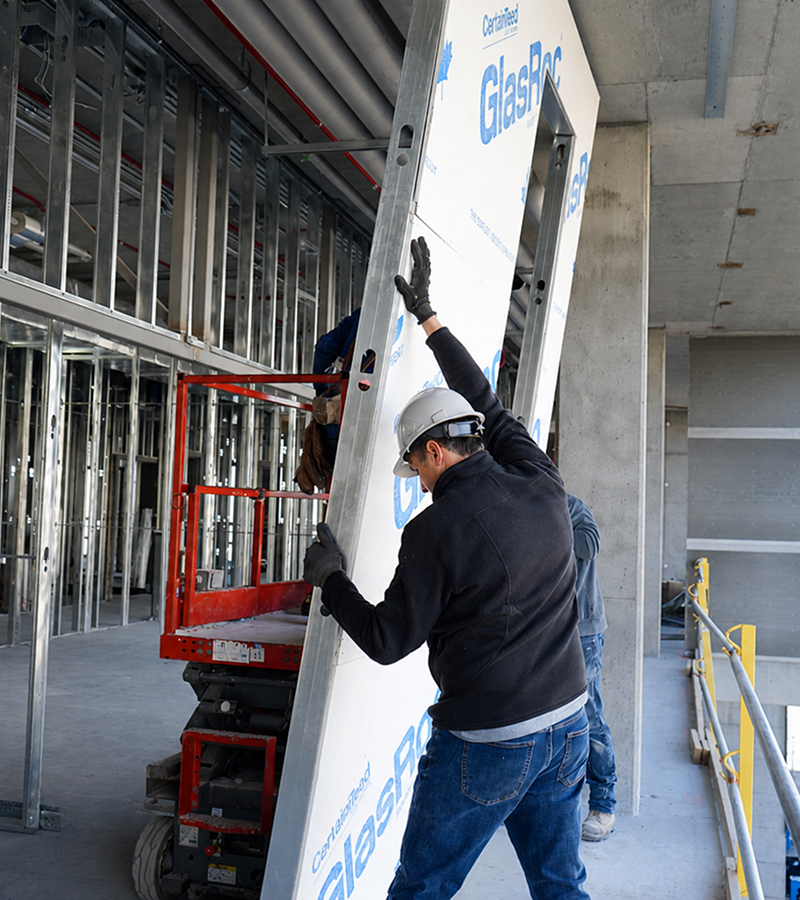
- load-bearing walls and preassembled structural panels
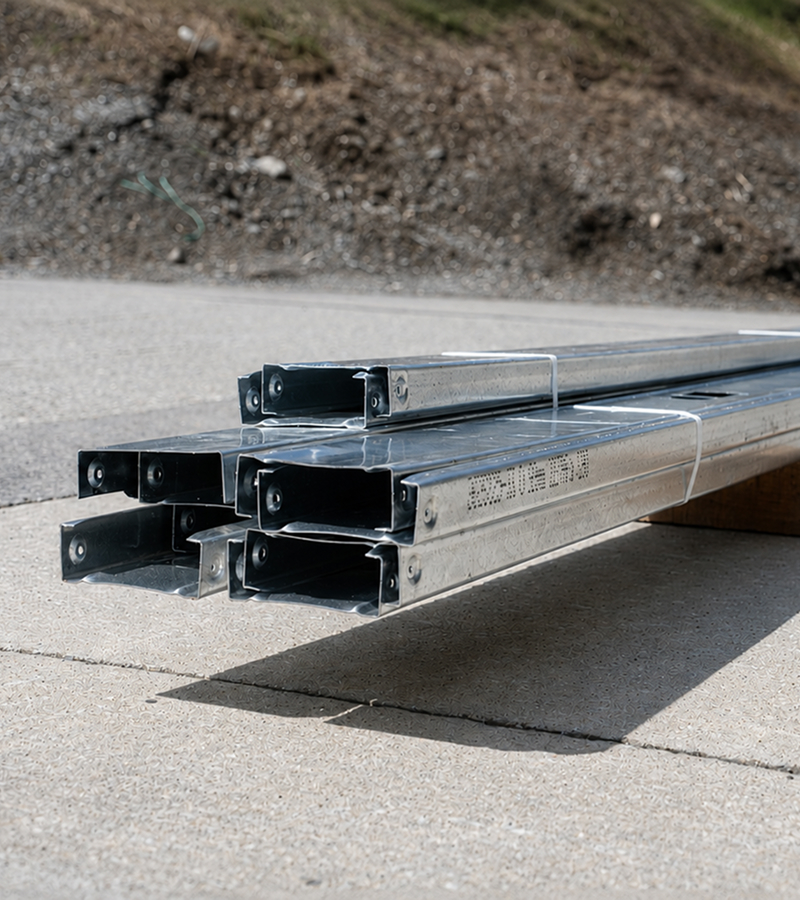
- prefabricated wood or steel framing systems
- repetitive formwork components
- architectural and facade elements

Unlike modular construction, where complete standalone units are built in a factory, prefabrication integrates flexibly into projects of all sizes and types, including commercial, institutional, industrial, civil, and multi residential.

Our approach

Prefabrication That Supports Your Project

We only prefabricate where it creates real value. Each project is carefully analyzed to identify components that can be produced off site. The result is fewer on-site uncertainties, higher execution quality, and better control over schedules. Prefabrication becomes a practical performance driver, integrated from the start.
Design Collaboration
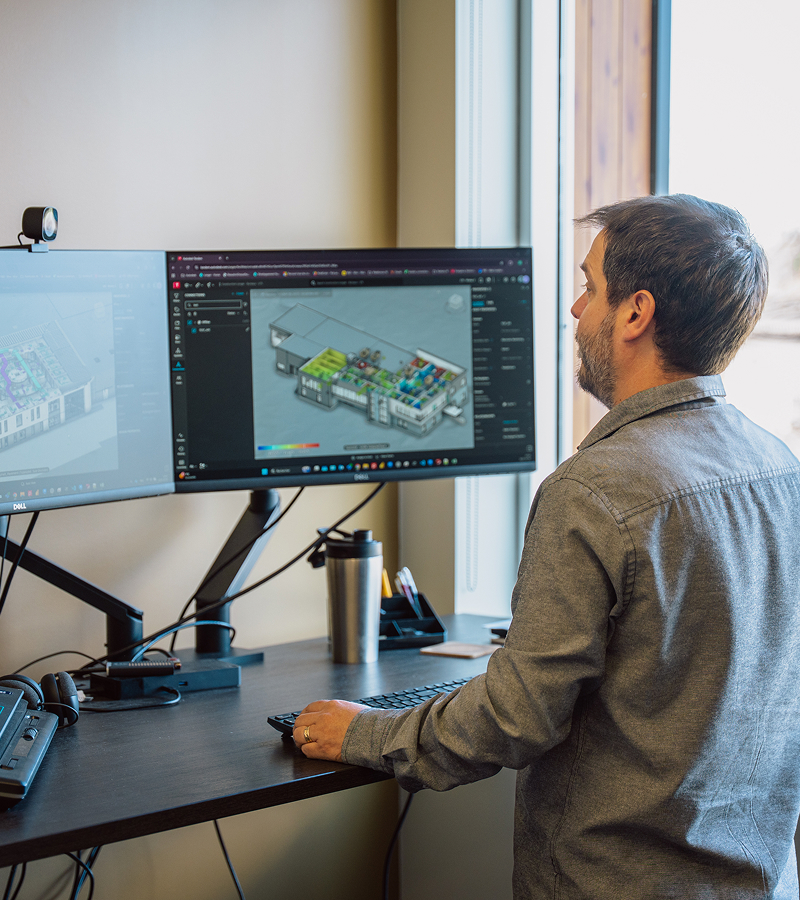
We get involved early in the design phase with your teams to identify components suitable for prefabrication. Through BIM and rigorous planning, each element is designed, coordinated, and optimized before construction begins. Fewer uncertainties. Smoother execution.
1
Controlled Conditions
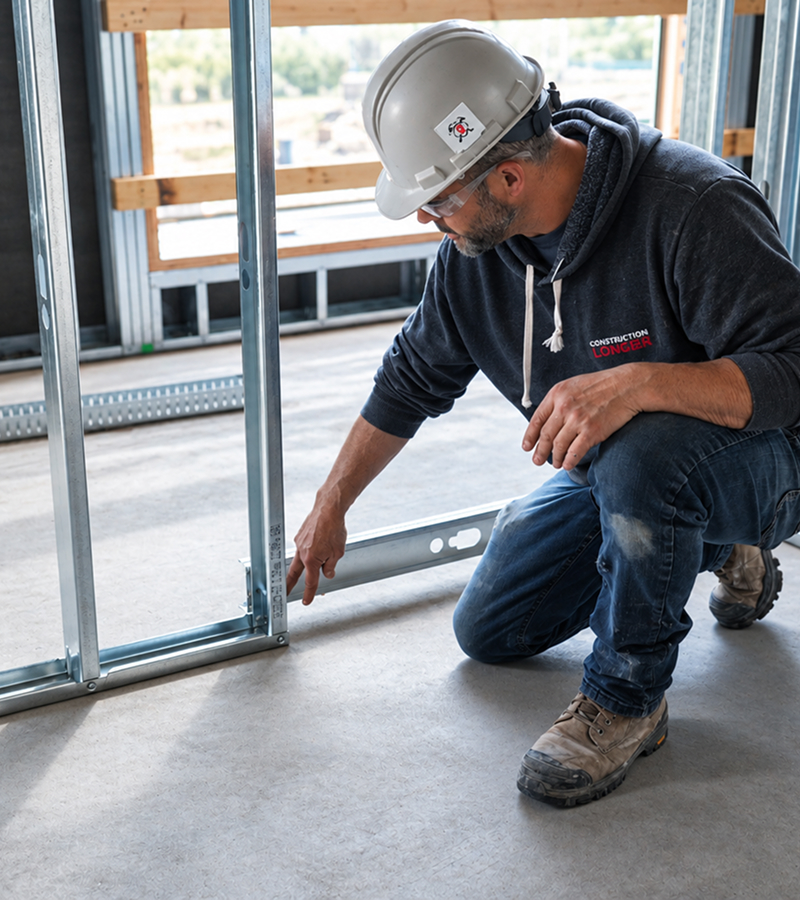
Components are manufactured in controlled environments, away from job site constraints. This ensures consistent quality, precise tolerances, and full traceability. The result is reliable, compliant elements that are ready for installation.
2
Controlled Conditions
2
Efficient Installation
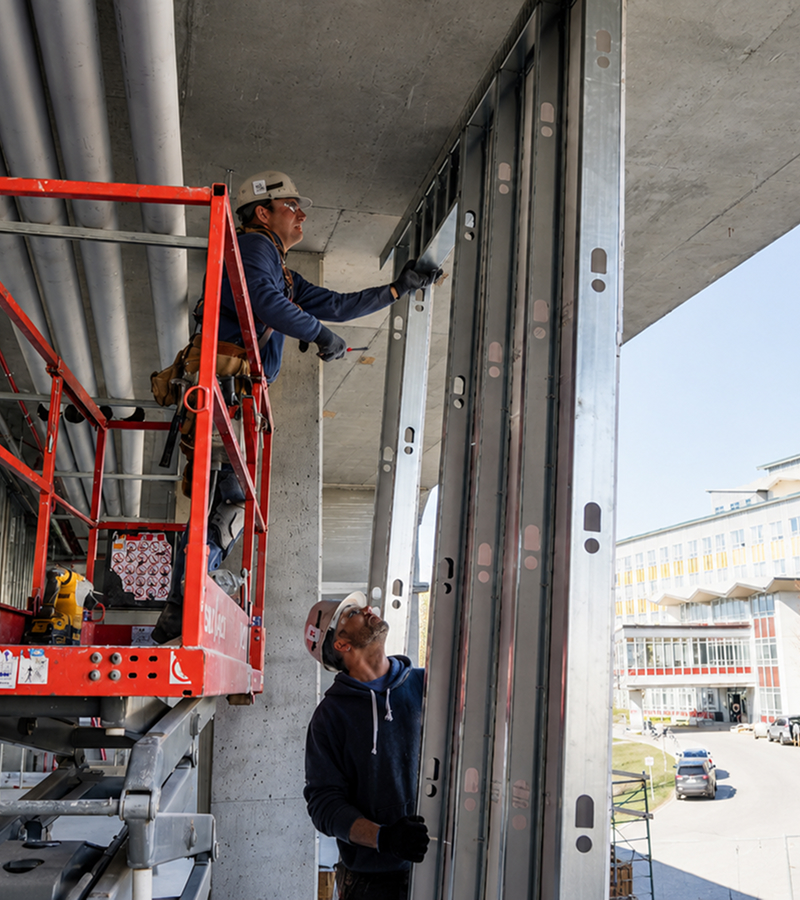
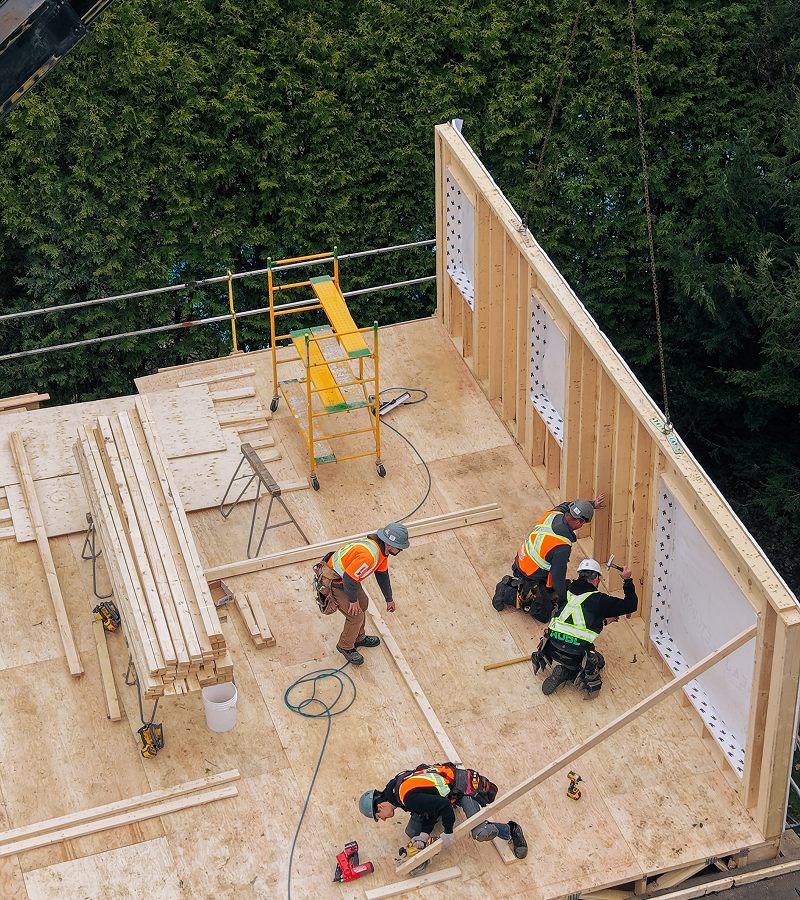
On-site installation is faster and better organized. Reduced congestion, lower exposure to risk, and simplified coordination. Timelines are shortened and construction phases progress more smoothly.
3
Efficient Installation
3
Design Collaboration
We get involved early in the design phase with your teams to identify components suitable for prefabrication. Through BIM and rigorous planning, each element is designed, coordinated, and optimized before construction begins. Fewer uncertainties. Smoother execution.
1
Controlled Conditions
Components are manufactured in controlled environments, away from job site constraints. This ensures consistent quality, precise tolerances, and full traceability. The result is reliable, compliant elements that are ready for installation.
2
Efficient Installation
On-site installation is faster and better organized. Reduced congestion, lower exposure to risk, and simplified coordination. Timelines are shortened and construction phases progress more smoothly.
3

WHAT YOU ACTUALLY GAIN

Reduced Construction Schedules

By manufacturing building components in parallel with foundation and structural work, prefabrication streamlines construction sequencing and accelerates project delivery. When integrated early in the planning process, prefabrication can reduce overall construction schedules by 10% to 30%, helping projects reach completion faster and more efficiently.

Better Cost Control

Prefabrication improves cost predictability by increasing productivity, reducing material waste, and minimizing on-site disruptions. Standardized manufacturing processes result in fewer deficiencies, less rework, and fewer unforeseen costs, allowing project teams to maintain tighter control over budgets throughout construction.

Consistent, High-Quality Results

Manufacturing components in a controlled environment ensures superior quality control and greater consistency than traditional site-built methods. Stable production conditions, standardized procedures, and rigorous inspections help guarantee that every prefabricated element meets strict quality standards before arriving on site.

More Sustainable Construction

Prefabrication supports sustainable construction practices by optimizing material usage, reducing waste generation, and lowering transportation-related emissions. For projects pursuing environmental certifications or ambitious sustainability targets, off-site construction offers a practical and measurable advantage.

Improved Job Site Safety

Prefabrication enhances construction safety by reducing the amount of work performed in high-risk environments. Fewer activities at height, reduced material handling, and less congestion on site help lower the risk of accidents while creating safer and more efficient working conditions for everyone involved.

Reduced Construction Schedules

By manufacturing building components in parallel with foundation and structural work, prefabrication streamlines construction sequencing and accelerates project delivery. When integrated early in the planning process, prefabrication can reduce overall construction schedules by 10% to 30%, helping projects reach completion faster and more efficiently.

Better Cost Control

Prefabrication improves cost predictability by increasing productivity, reducing material waste, and minimizing on-site disruptions. Standardized manufacturing processes result in fewer deficiencies, less rework, and fewer unforeseen costs, allowing project teams to maintain tighter control over budgets throughout construction.

Consistent, High-Quality Results

Manufacturing components in a controlled environment ensures superior quality control and greater consistency than traditional site-built methods. Stable production conditions, standardized procedures, and rigorous inspections help guarantee that every prefabricated element meets strict quality standards before arriving on site.

More Sustainable Construction

Prefabrication supports sustainable construction practices by optimizing material usage, reducing waste generation, and lowering transportation-related emissions. For projects pursuing environmental certifications or ambitious sustainability targets, off-site construction offers a practical and measurable advantage.

Improved Job Site Safety

Prefabrication enhances construction safety by reducing the amount of work performed in high-risk environments. Fewer activities at height, reduced material handling, and less congestion on site help lower the risk of accidents while creating safer and more efficient working conditions for everyone involved.

READY TO BUILD DIFFERENTLY?

Let’s explore how prefabrication can improve your project in practical terms.